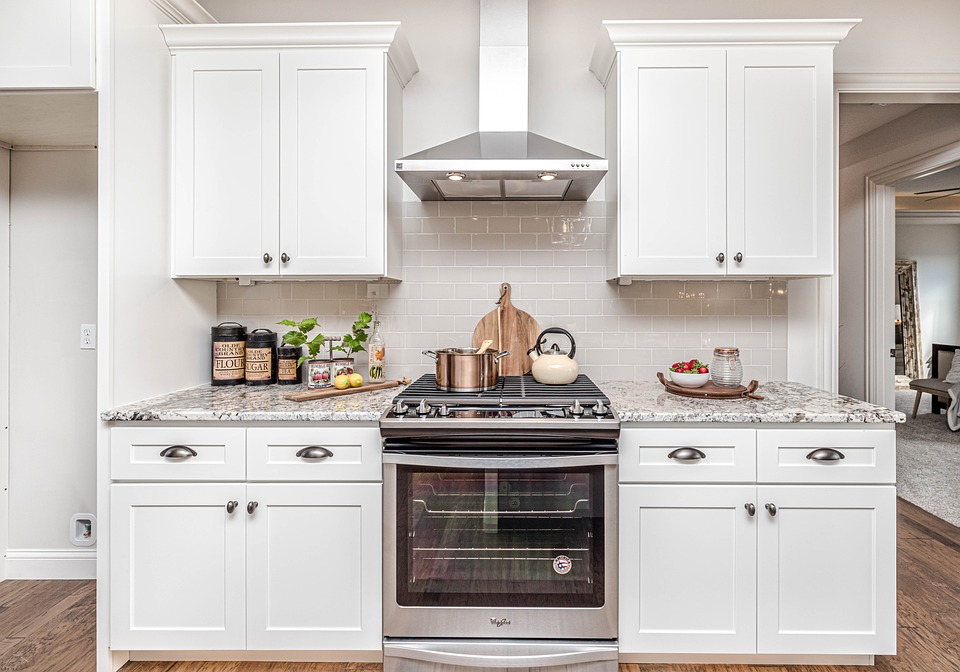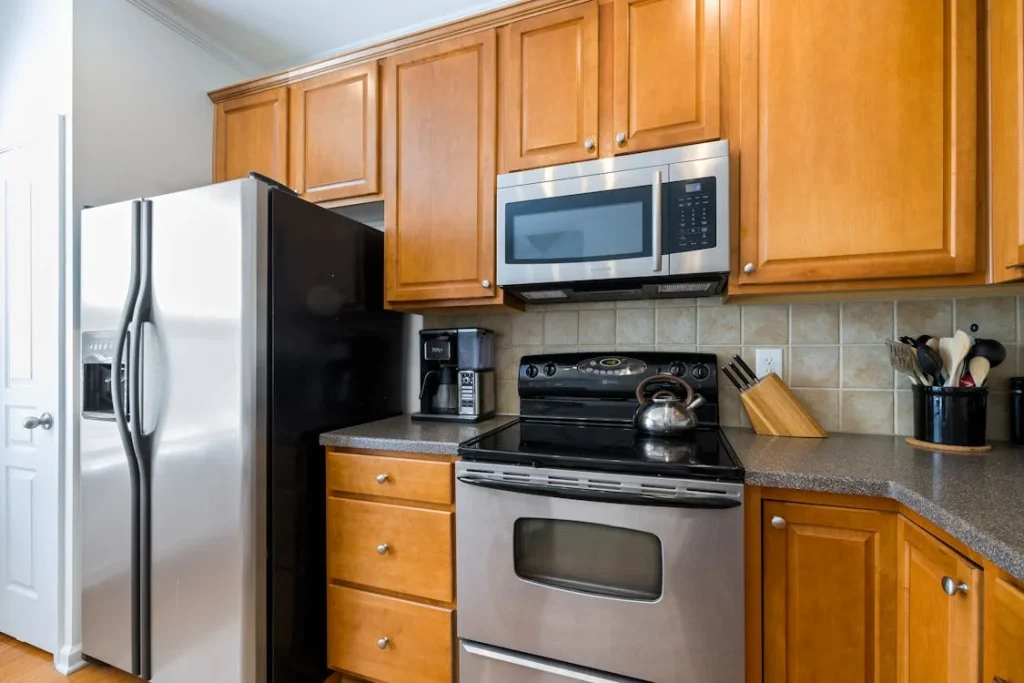
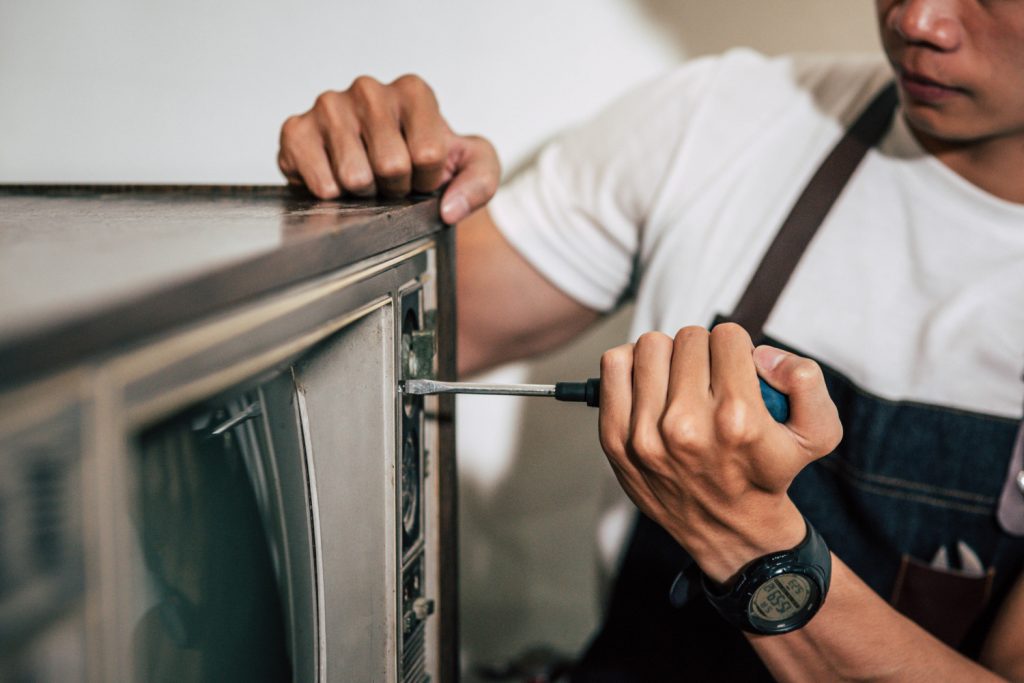
An oven often signals trouble through cold meals, uneven browning, unusual sounds, or an unreliable door. These symptoms can point to electrical, mechanical, or gas faults that household adjustments cannot safely resolve. Understanding common warning signs helps determine when professional repair protects the appliance and the people who use it.
Oven heating problems and temperature faults
Oven not heating may result from a failed power supply, damaged control, faulty thermostat, or broken heating element. When the appliance stays cold, repeated resets rarely solve the underlying cause. A technician can test components and connections without exposing occupants to electrical hazards.
Uneven cooking can appear when an oven heats slowly, loses heat, or distributes it poorly. Check whether cookware blocks vents, but persistent hot and cold zones need closer inspection. For background on safe component work, consult this guide to oven heating elements and seals.
Thermostat and heating element failures
A faulty thermostat may misread internal heat and cycle the oven at the wrong moments. A broken heating element may show visible damage, yet some failures remain hidden until a technician tests electrical continuity. Both faults can create Oven temperature inaccuracies, overcooked edges, or food that remains underdone.
Professional diagnosis separates a defective sensor from a damaged element or control board. This distinction prevents unnecessary part replacement and restores stable heating. If the appliance heats but cooks inconsistently, avoid compensating with extreme settings; that approach can worsen food quality without fixing the cause.
Oven airflow and door problems
Heat distribution depends on clear airflow, sound seals, and a door that closes firmly. When any of these parts fail, the oven may lose heat or bake food unevenly. A small seal gap can force longer cooking times and strain working components.
Convection fan failure and uneven cooking
Convection fan failure may cause weak circulation, unusual rattling, or uneven cooking across several racks. A technician can examine the fan motor, blades, and wiring. Avoid reaching inside while the appliance remains hot or connected to power; even a quiet fan can start unexpectedly.
Door seal damage and closure faults
An Oven door won’t close warning may reflect worn hinges, a distorted latch, or damaged gasket material. The gap allows heat to escape and exposes nearby surfaces to excess warmth. A repair professional can align the door and replace the appropriate part instead of forcing it shut.
| Symptom | Possible issue | Professional response |
|---|---|---|
| Cold oven | Element or control fault | Test heating circuit |
| Uneven browning | Fan or temperature problem | Check airflow and sensors |
| Loose door | Hinge, latch, or seal wear | Inspect alignment and gasket |
Gas and electrical oven failures
Gas oven ignition failure can stem from a worn igniter, blocked burner, or interrupted gas supply. A clicking sound without a flame deserves prompt attention. Turn off the appliance if anyone smells gas, ventilate the area, and contact a qualified technician or gas utility.
An Electrical oven malfunction may trip a breaker, interrupt the display, or produce a burning smell. Do not repeatedly reset a breaker or open energized panels. These signs can indicate damaged wiring, a failing control, or an overloaded circuit that requires safe testing.
- Stop using the oven when you smell gas or notice smoke.
- Disconnect power only when the plug or switch remains safely accessible.
- Record error codes and symptoms before requesting an inspection.
These observations help a repair professional narrow the fault without encouraging risky do-it-yourself work. For broader appliance guidance, review professional appliance repair advice.
Professional oven repair and service decisions
Oven repair services suit persistent faults, safety concerns, and problems involving internal wiring, gas components, or sealed controls. A qualified technician can test the appliance, explain the findings, and identify whether repair or replacement makes practical sense. The assessment should address the cause, not merely the visible symptom.
Before booking service, note when the problem began, which settings trigger it, and whether the breaker or display changes. Keep the model information available and describe any unusual sounds or smells. Avoid dismantling panels, bypassing safety switches, or attempting gas adjustments.
Routine care can reduce avoidable strain: keep vents clear, clean spills after cooling, and inspect the door seal for visible wear. Still, maintenance cannot correct failed components. When heating, airflow, ignition, or closure remains unreliable, professional inspection offers the safest route to dependable cooking.