How to choose the right trailer manufacture for your needs
Choosing the right trailer is crucial for efficient transportation, whether you’re hauling tools for work, moving heavy materials for a project, or embarking on an outdoor adventure. With various types of trailers available, this task can quickly become overwhelming. In today’s dynamic landscape, where personal and professional hauling needs intersect, understanding how to choose the right trailer is more critical than ever. The right selection will not only ensure safety and efficiency but will also cater to the uniquely specific requirements each individual or enterprise holds. This guide delves into essential factors, different types of trailers, and how to navigate your options to ensure you make an informed decision.
Understanding Your Trailer Needs
The journey to selecting the right trailer begins with a clear understanding of your specific needs. Ask yourself the following pivotal questions:
- What will you be hauling? Are you transporting tools, livestock, heavy machinery, or recreational gear?
- How often will you use the trailer? Daily hauls versus occasional trips can significantly influence your choice.
- Will you need weather protection or additional security? Enclosed trailers might be ideal for sensitive equipment and valuable cargo.
Each type of cargo requires a different trailer design. For instance, livestock trailers offer ventilation and safety features, while equipment transport trailers prioritize high weight capacity and sturdy ramps. It’s helpful to create a list of what features are essential for your trailer needs. This method allows you to narrow down options based on your specific criteria, making the selection process smoother.
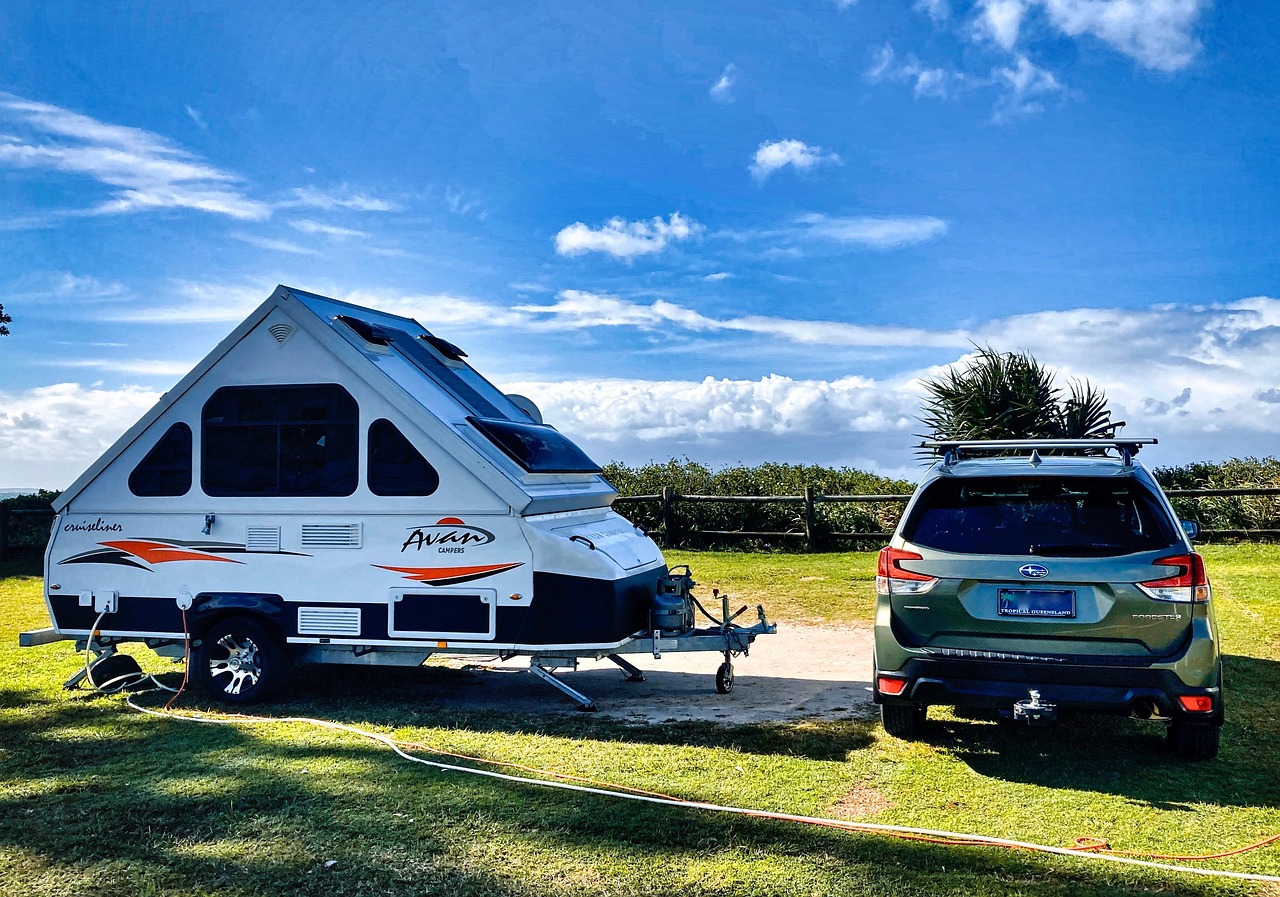
Common Trailer Uses
Understanding the common uses for trailers can provide insight into what might work best for your situation. Consider the following:
- Livestock Hauling: Requires good ventilation, safety dividers, and a secure structure.
- Equipment Transport: Demands high-weight capacity and durable ramps.
- General Cargo: Enclosed trailers protect loads from weather and theft.
- Recreational Use: Specific designs for transporting boats, ATVs, or motorcycles.
By evaluating these potential uses, you’ll gain clarity on your unique trailer requirements. Each purpose entails specific aspects such as size, shape, and additional features that significantly influence your overall satisfaction with the trailer.
Types of Trailers and Their Features
With myriad options at your disposal, understanding the different types of trailers available and their respective features is essential. Here are the four main categories:
Enclosed Trailers
Enclosed trailers provide security and protection from the elements, making them ideal for sensitive materials like tools and equipment. These trailers are highly versatile; they can serve for moving household items, transporting motorcycles, or even setting up mobile workshops.
Utility Trailers
Utility trailers are open designs perfect for tasks requiring flexibility. They are ideal for landscaping, moving furniture, or transporting large items that wouldn’t fit in an enclosed space. Their open structure allows for easy loading and unloading, making them popular for various hauling activities.
Dump Trailers
Dump trailers are particularly favored in the construction and landscaping industries. They feature hydraulic lifts that make unloading loose materials like gravel or sand straightforward and efficient. This functionality can significantly save time and labor, particularly for frequent loading and unloading tasks.
Flatbed Trailers
Flatbed trailers are designed to haul large and heavy items that require straightforward access from all sides. Their design allows for easy loading and unloading, making them particularly useful for machinery and equipment transport. However, they lack weather protection, so ensuring that cargo is securely tied down is vital.
| Trailer Type | Best For | Key Features |
|---|---|---|
| Enclosed Trailers | Sensitive Equipment | Security, Weather Protection |
| Utility Trailers | Furniture, Landscaping | Open Design, Flexibility |
| Dump Trailers | Loose Materials | Hydraulic Dump Feature |
| Flatbed Trailers | Large Equipment | Accessible from All Sides |
Factors for Manufacture Selection
Once you’ve narrowed down trailer types, the next significant step is to consider trailer manufacture selection. Several factors play a crucial role in ensuring you land a trailer of superior quality that meets your needs.
Trailer Quality
The durability of your trailer largely depends on the materials used in its construction. Steel trailers are robust and resilient under heavy loads, while aluminum trailers are more lightweight and rust-resistant. Assess the pros and cons of each material based on your specific usage scenarios. Furthermore, understanding the manufacturer’s history and reputation in the industry adds weight to the decision-making process.
Key Features Assessment
Evaluate essential trailer features such as size and capacity, braking systems, tie-down points, and suspension mechanisms. For instance, electric brakes typically offer enhanced stopping power, especially under significant loads, which is essential for safety. Make list criteria that include desired features and must-haves before finalizing your manufacture selection. Companies like Outaouais Welding & Machining provide a wide range of trailers— including utility, enclosed, dump, and flatbed models.



[…] Having a job is of paramount importance these days. Indeed, there are many jobs in the world. The fact…
[…] Personally, I need a hot shower whether we are in winter or summer because I don’t feel clean otherwise,…
[…] Sound off in the comments section below, and tell us what you want to read next and if you…
[…] unfortunately, when it concerns a major plumbing issue, a botched job might end up causing a lot of harm…
[…] overestimate your talents, either. Sure, some simple jobs (like prevention!) can be done by a handy homeowner. But don’t…