Outdated plumbing fixtures rarely fail without warning; they often reveal their age through leaks, stains, weak flow, or rising utility bills. Recognizing these signs early helps homeowners plan fixture replacement before minor wear leads to water damage or repeated service calls.
Age alone does not determine whether a faucet, showerhead, or toilet needs replacement. Performance, visible condition, repair history, and compatibility with modern household needs provide clearer evidence. A careful inspection can distinguish a simple maintenance issue from a fixture that has reached the end of its useful life.
Some symptoms point beyond the fixture itself, so a qualified plumber can assess pipes and connections before recommending work. The following indicators help identify when an upgrade deserves serious consideration.
Warning Signs of Outdated Plumbing Fixtures
Changes in daily performance often offer the first clues. Observe how fixtures behave during ordinary use, and note whether problems affect one location or several.
Leaks and Persistent Drips
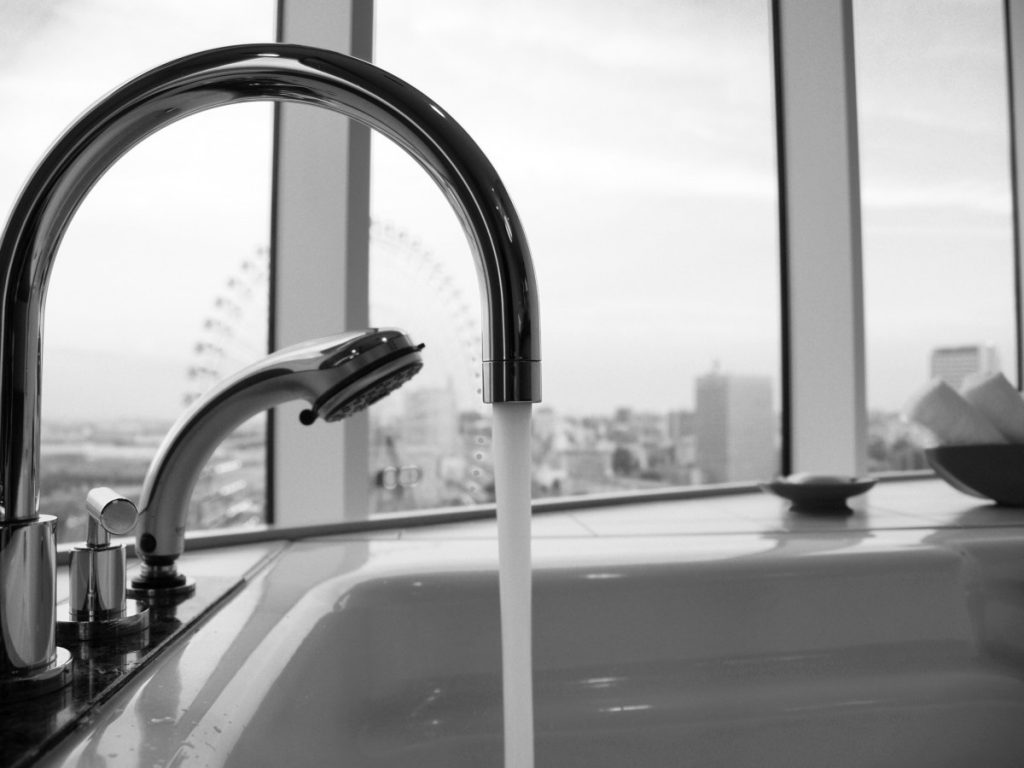
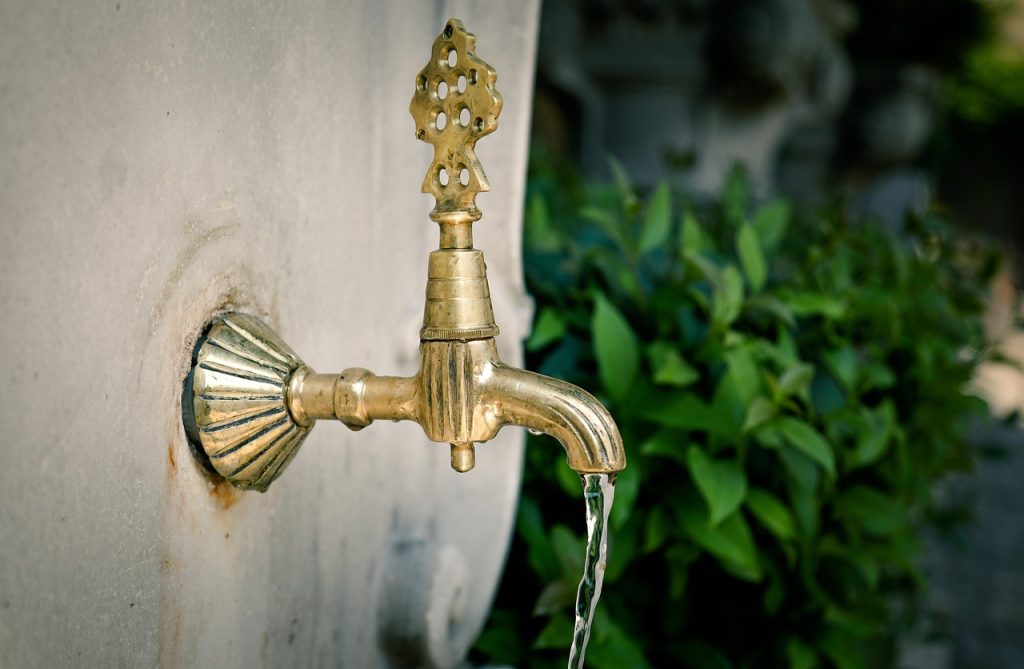
Leaking faucets waste water and may signal worn washers, damaged cartridges, or corroded internal parts. A brief drip can become a steady leak that stains sinks, harms cabinets, and encourages mold growth.
Repair makes sense when a plumber can replace one inexpensive component and restore reliable operation. However, repeated failures, hard-to-find parts, or leaks around the fixture body often support replacement. Explore practical planning advice for modern kitchen plumbing renovations when several fittings need attention.
Low Water Pressure and Weak Flow
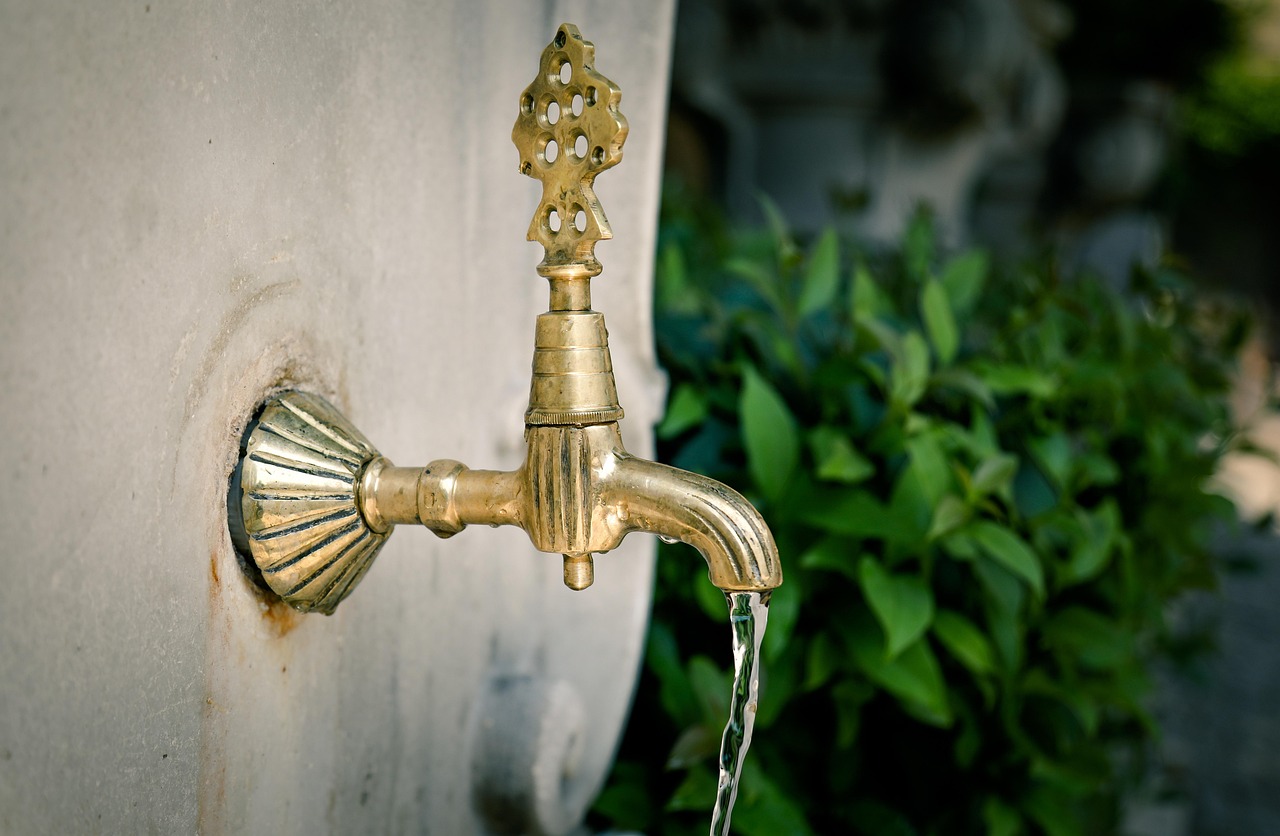
Weak flow from a single faucet often traces to a clogged aerator or mineral buildup inside the spout. Cleaning may help temporarily, but older fixtures with heavy scale tend to clog again within weeks. When pressure drops at every outlet in the house, the cause may lie in supply lines or the main valve, which calls for a professional diagnosis rather than a new fixture.
Rust, Corrosion, and Discolored Water
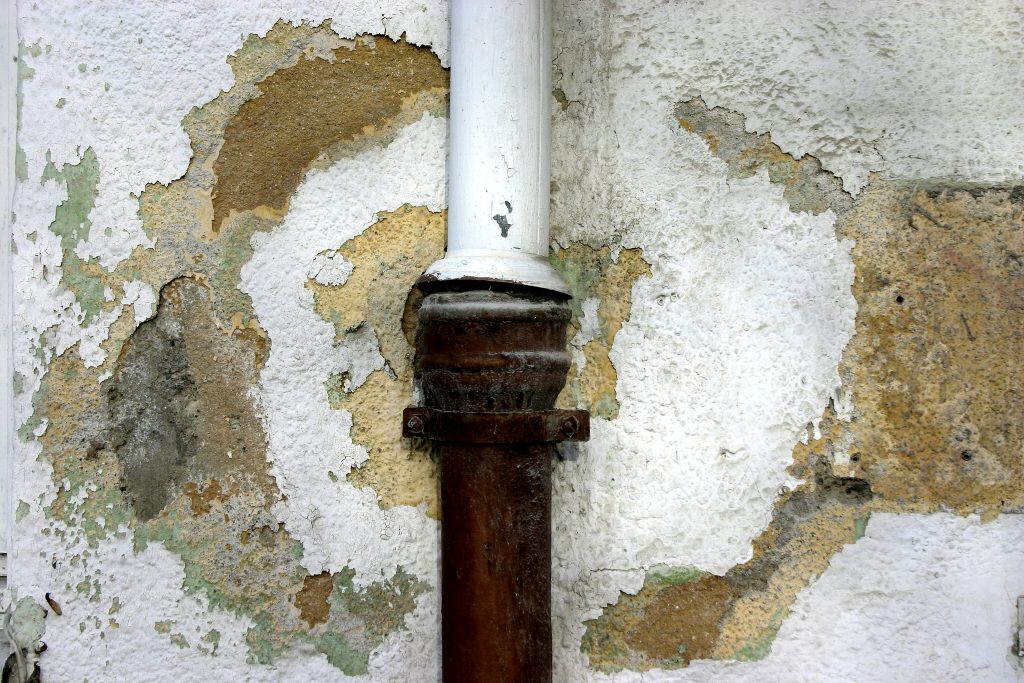
Rust streaks, green mineral crust, and flaking finishes show that metal components are breaking down. Brown or cloudy water from a single tap suggests internal corrosion in that fixture, while discoloration throughout the home points toward aging pipes. Corroded shutoff valves deserve particular attention, because a valve that cannot close leaves the household unprotected during an emergency.
Rising Water Bills and Inefficient Fixtures
A steady increase in water consumption without a change in household habits often means hidden leakage or inefficient equipment. Toilets manufactured decades ago often use considerably more water per flush than current models, and older showerheads release more water than efficient designs. Replacing them reduces consumption while keeping comfortable performance.
Repair or Replace Plumbing Fixtures
The table below summarizes when each option usually fits.
| Condition | Usual decision | Reason |
|---|---|---|
| Single worn washer | Repair | Low-cost part restores function |
| Repeated leaks within a year | Replace | Internal wear keeps spreading |
| Corroded body or valve | Replace | Metal damage cannot be reversed |
| Clogged aerator | Repair | Cleaning often restores flow |
| Discontinued parts | Replace | Repairs become difficult to source |
Style, Safety, and Accessibility Concerns
Fixtures also age in ways that have little to do with water. Worn finishes, loose handles, and cracked porcelain make a bathroom feel neglected, and chipped surfaces can harbor bacteria. Older designs may be difficult to use for children or for anyone with limited grip strength, whereas lever handles and touchless models simplify daily tasks. Anti-scald valves also add protection in showers and tubs.
When to Call a Plumber
Some warning signs justify a prompt professional visit rather than further observation:
- Water stains on ceilings or cabinet floors beneath a fixture
- A shutoff valve that will not turn or leaks when touched
- Sudden pressure changes across several outlets
- Repairs needed more than twice in one year
A plumber can confirm whether the problem sits in the fixture, the supply line, or the drain, and can match new equipment to existing connections. Scheduling replacement before a failure also avoids emergency repairs, water cleanup, and the disruption of a household without working fixtures.
Fixtures that leak, corrode, or waste water deserve attention before they cause lasting damage. Careful observation, timely repairs, and well-chosen replacements keep home plumbing reliable, efficient, and comfortable for years. Contact profesionnal for a thorough fixture inspection and dependable replacement of worn faucets, showerheads, and toilets.