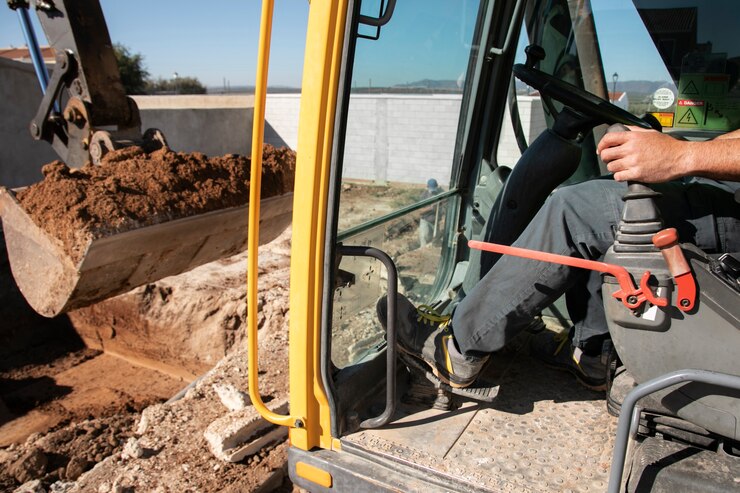

The excavation process is fundamental in the construction industry, representing the very first steps toward a successful project. Effective site preparation ensures that the groundwork is solid, compliant, and ready for construction activities, which can significantly hinder potential delays caused by unforeseen challenges. The importance of thorough digging, trenching, and soil testing cannot be overstated, as these factors contribute to the overall safety and integrity of the structural endeavor. In 2026, with advancement in technology and a growing emphasis on best practices, contractors must be more vigilant than ever about the processes that lead to successful project outcomes.
Understanding the Excavation Process
The excavation process encompasses a range of activities essential for site preparation. Initially, this involves digging to create the necessary voids for foundations, basements, drainage systems, and utility lines. To effectively manage these tasks, contractors must understand the different types of excavation works available, as well as the specific conditions of the site. For instance, an earth excavation primarily involves the removal of soil for constructing bases and roads, while rock excavation typically requires specialized techniques to break down hard surfaces.
Types of Excavation Work
Different types of excavation work are categorized based on their purpose and the materials involved. The primary classifications include:
- Earth Excavation: This focuses on removing excess soil to prepare for foundations or landscape.
- Rock Excavation: Involves breaking up and removing hard rock layers.
- Topsoil Excavation: Stripping away surface vegetation and organic matter to access underlying soil.
- Trench Excavation: Narrow cuts for the installation of pipelines or electrical lines.
- Basement Excavation: Deeper digging necessary for multi-storey buildings.
Understanding these distinctions helps in planning effective site preparation strategies specific to each project.
Key Steps in Site Preparation
Site preparation involves several critical steps that, when performed correctly, contribute to the success and safety of the construction project. These steps include soil testing, grading, and ensuring all necessary environmental regulations are adhered to. Each stage is crucial for identifying potential risks and ensuring that the foundation upon which structures are built will be stable and secure.
Soil Testing and Grading
Soil testing is an essential phase that begins the site preparation process. This step assesses the soil composition, load-bearing capacity, and drainage characteristics. By understanding these attributes, contractors can make informed decisions regarding the suitability of the soil for construction. For example, clay-heavy soils may require additional drainage solutions, whereas sandy soils might be more favorable for groundwater absorption.
Once the soil testing is complete, the next step is grading. Grading involves adjusting the land surface to achieve optimal levels that facilitate drainage and prevent water pooling. An improperly graded site can lead to severe issues such as erosion, structural instability, and increased water runoff, which can severely impact the project’s integrity.
Safety Protocols During Excavation
Safety is a paramount concern throughout the excavation and site preparation stages. Adhering to rigorous safety protocols not only protects the workers but also ensures the longevity and safety of the structures built afterward. Contractors must implement several measures, including comprehensive hazard assessments, to identify risks associated with excavation activities.
Essential Protective Gear
Providing protective gear for all employees is a critical aspect of safety during excavation work. This equipment typically includes helmets, gloves, reflective jackets, and reinforced boots. Furthermore, safety goggles and ear protection should be standard for tasks involving heavy machinery and rock-breaking activities.
Before commencing an excavation project, it’s vital to conduct a thorough risk assessment. This evaluation should cover all potential hazards and ensure that each worker is aware of their responsibilities and the risks associated with excavation tasks. Regular training and drills can prepare teams for any unforeseen incidents, ensuring prompt and efficient responses.
Challenges in Site Preparation
Despite meticulous planning, contractors often face challenges during the excavation and site preparation phases. Factors such as weather conditions, varying soil types, and the presence of underground facilities can complicate excavation tasks. Heavy rains can destabilize excavated areas, leading to cave-ins or washouts. Moreover, encountering unexpected submerged utilities could halt progress and necessitate additional resources for safe relocation.
Managing Excavation Obstacles
It’s essential for excavation contractors to be equipped with the necessary knowledge and tools to handle these potential obstacles. For example, if faced with a high water table, proper dewatering techniques should be employed to prevent excess moisture from compromising the excavation site. Specialized heavy equipment may be required to facilitate the excavation and removal of large portions of material, particularly in rocky terrain.
| Excavation Challenge | Possible Solutions |
|---|---|
| High Water Table | Implement water removal and drainage systems. |
| Rocky Terrain | Utilize specialized drilling and breaking equipment. |
| Underground Utilities | Map and communicate with utility companies to reroute. |
| Weather Interruptions | Plan contingencies for bad weather events. |
Budgeting for Excavation Projects
Finally, understanding how to budget for an excavation project is crucial for ensuring sufficient financial resources throughout the job. Factors influencing budget estimates include site location, the work scope required, and material costs. Potential expenses often involve land clearing, equipment rental, soil testing, and environmental compliance costs.
Cost Management Strategies
To effectively manage costs, contractors should incorporate contingency budgets that allow for unexpected expenses, such as discovering unstable soil or additional drainage needs during the excavation phase. Additionally, engaging experienced professionals can provide insight on more cost-effective methods and help avoid common pitfalls that lead to budget overruns. For a comprehensive overview of budgeting best practices, refer to this detailed guide on excavation budgeting.
For property owners and developers seeking reliable excavation, site preparation, and earthmoving solutions, Bangso Excavation and Demolition offers professional services designed to ensure safe, efficient, and cost-effective project execution from the ground up.