In the world of construction, an effective site grading process is the cornerstone for ensuring a successful project. Proper grading lays the groundwork not only for the physical stability of structures but also for the long-term durability and safety of buildings. As urban development increases, the importance of understanding the diverse elements of site grading has never been more significant. With the right techniques, tools, and expertise, project managers can ensure that grading is performed efficiently, reducing risks related to drainage, erosion, and foundation stability.
The Importance of Site Grading in Construction Projects
Grading is much more than merely leveling the ground; it is an essential process that shapes how a construction project will perform over time. Proper grading manages water runoff, prevents soil erosion, and prepares the site for landscaping or future development. Understanding this landscape manipulation is crucial for various stakeholders, including site engineers, architects, builders, and contractors.
To provide a broader context, here’s a concise outline of key reasons why grading is indispensable:
- Foundation Stability: A well-graded site ensures a stable foundation for buildings, reducing the likelihood of structural failures.
- Effective Drainage: Proper grading directs water away from the foundation, preventing flooding and water accumulation around structures.
- Erosion Control: Grading reduces the risk of soil erosion, maintaining the integrity of the site and surrounding areas.
- Landscape Readiness: A carefully prepared site makes it easier to establish plantings and other features, desiring a harmonious relationship between built and natural environments.

Key Steps in the Grading Process
Conducting grading effectively requires a series of coordinated steps, each vital to achieving the desired outcomes. Here we summarize these steps:
- Site Surveying: The initial phase involves using tools like GPS and laser levels to evaluate the terrain, identifying landmarks, utility lines, and hazards.
- Clearing and Excavation: Removing vegetation, debris, and topsoil is essential to create a clean slate for grading. This stage may also involve the excavation of existing materials.
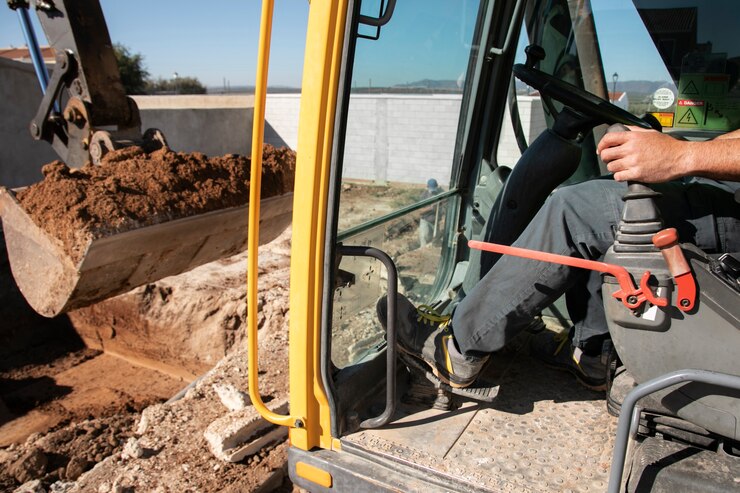
- Rough Grading: Heavy machinery like bulldozers and excavators are utilized to reshape the land. The aim is to create fundamental slopes and establish grade elevations in accordance with planned drainage.
- Fine Grading: Smaller equipment, such as scrapers and graders, fine-tune the surface, ensuring evenness and optimal drainage conditions.
- Quality Control: The completion of grading should include inspections to confirm that the grading meets specified design and safety standards.
By rigorously adhering to this step-by-step grading process, contractors can lay the groundwork for a successful construction project.
Professional Tips for Efficient Site Grading
Efficient site grading not only contributes to a stable foundation but can also enhance cost-effectiveness for both contractors and clients. Engaging with experienced professionals and employing modern technologies like Trimble or Leica Geosystems can take the guesswork out of grading, ensuring precision and efficiency from the outset. Here are some professional tips for conducting efficient grading:
- Conduct a Thorough Site Analysis: Understand soil conditions and drainage patterns, utilizing geotechnical assessments when necessary.
- Select Appropriate Equipment: Using the right machinery, whether it’s a John Deere backhoe or a Komatsu dozer, minimizes time and labor in the grading process.
- Plan for Waste Management: Efficiently managing waste and minimizing soil disruption can reduce costs and environmental impact.
- Coordinate with Local Regulations: Understanding local site development regulations helps prevent delays and compliance issues during the grading process.
Utilizing technologies such as Topcon for grading control can ensure that all measurements are precise, enhancing the grading process and making it more efficient. These modern solutions represent a game changer in how grading is approached, making it easier for construction teams to perform their work effectively.
The Impact of Technology on Site Grading
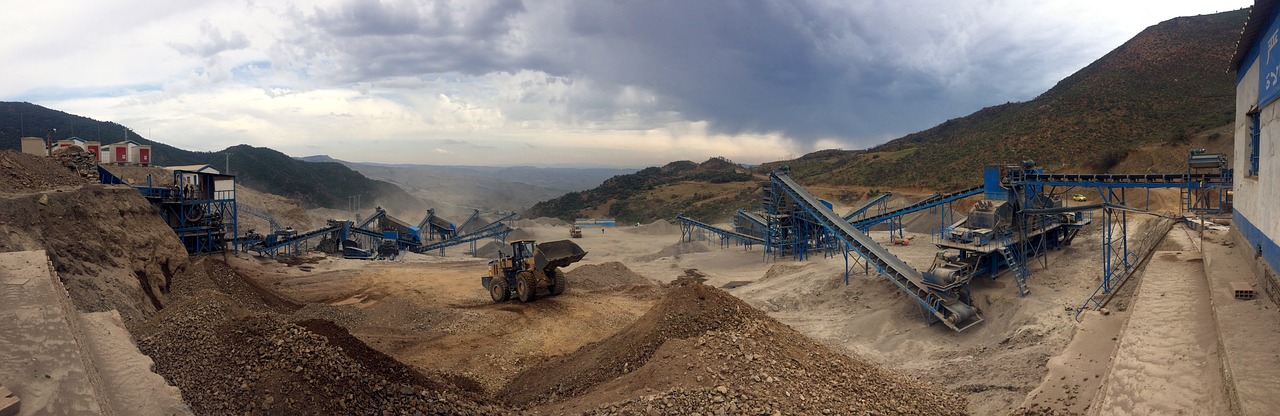
The integration of advanced technologies has transformed the way grading and site preparation are executed in contemporary construction projects. The incorporation of tools and software from companies like CASE Construction and Volvo Construction Equipment has significantly improved grading accuracy.
Technological advancements contribute to:
- Enhanced Precision: GPS-guided machinery can perform grading within an accuracy of a few centimeters.
- Increased Efficiency: Automated functionalities decrease the need for manual adjustments, speeding up the grading process.
- Data Collection: Advanced software can capture grading data, allowing for future analyses and informed decision-making.
By leveraging technology, construction teams can invest less time in manual processes and more on strategic planning, ultimately leading to a smoother building process.